You can download the official program from The Brain and The Chip 2024 by pressing the button.
Featured Speakers from Previous Editions
Previous editions of The Brain and The Chip have brought together internationally recognized researchers, clinicians, and innovators from leading universities, hospitals, and neurotechnology companies worldwide.
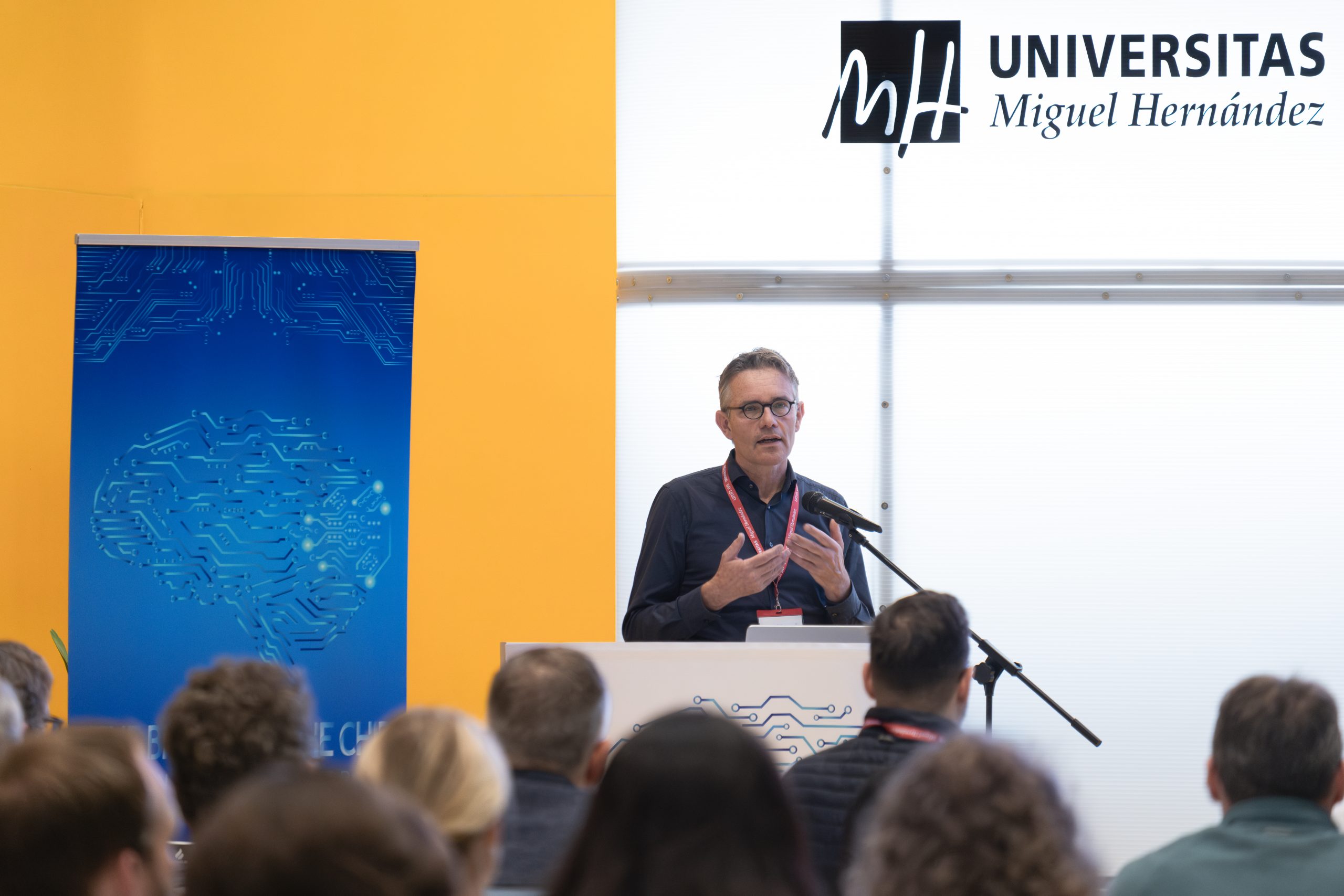
Pieter Roelfsema participated in The Brain and The Chip 2024 as one of the leading international experts in neuroscience and brain-machine interfaces. During the congress, he moderated the session focused on Cognitive Prostheses, which explored how neural technologies and brain-computer interfaces can interact with higher cognitive functions such as perception, movement, and decision-making.
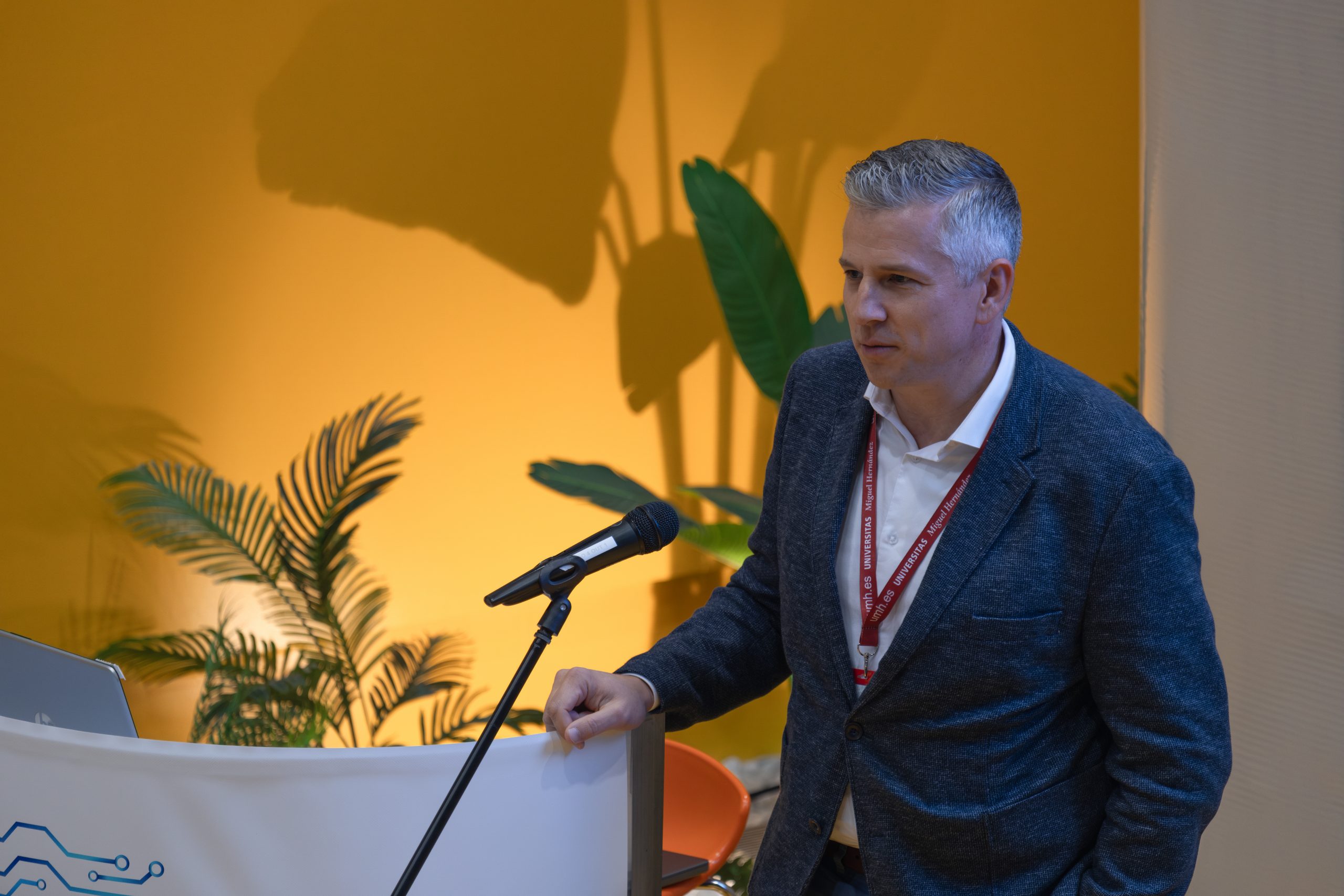
Robert Gaunt, Ph.D. is an Associate Professor at the University of Pittsburgh and a leading researcher in the field of neuroprosthetics and bidirectional brain-computer interfaces. During The Brain and The Chip 2024, he presented his work on sensory restoration technologies designed to improve the control and functionality of advanced prosthetic devices.
He explored how artificial sensory feedback can be integrated into neuroprosthetic systems to provide users with a more natural sense of touch, enabling more precise and intuitive motor control. By combining neural interfaces, intracortical stimulation, and advanced prosthetic technologies, his research aims to restore both movement and sensation for individuals living with paralysis, limb loss, or neurological injuries. His work represents an important step toward the development of next-generation neuroprostheses capable of recreating more natural interactions between the human nervous system and artificial devices.
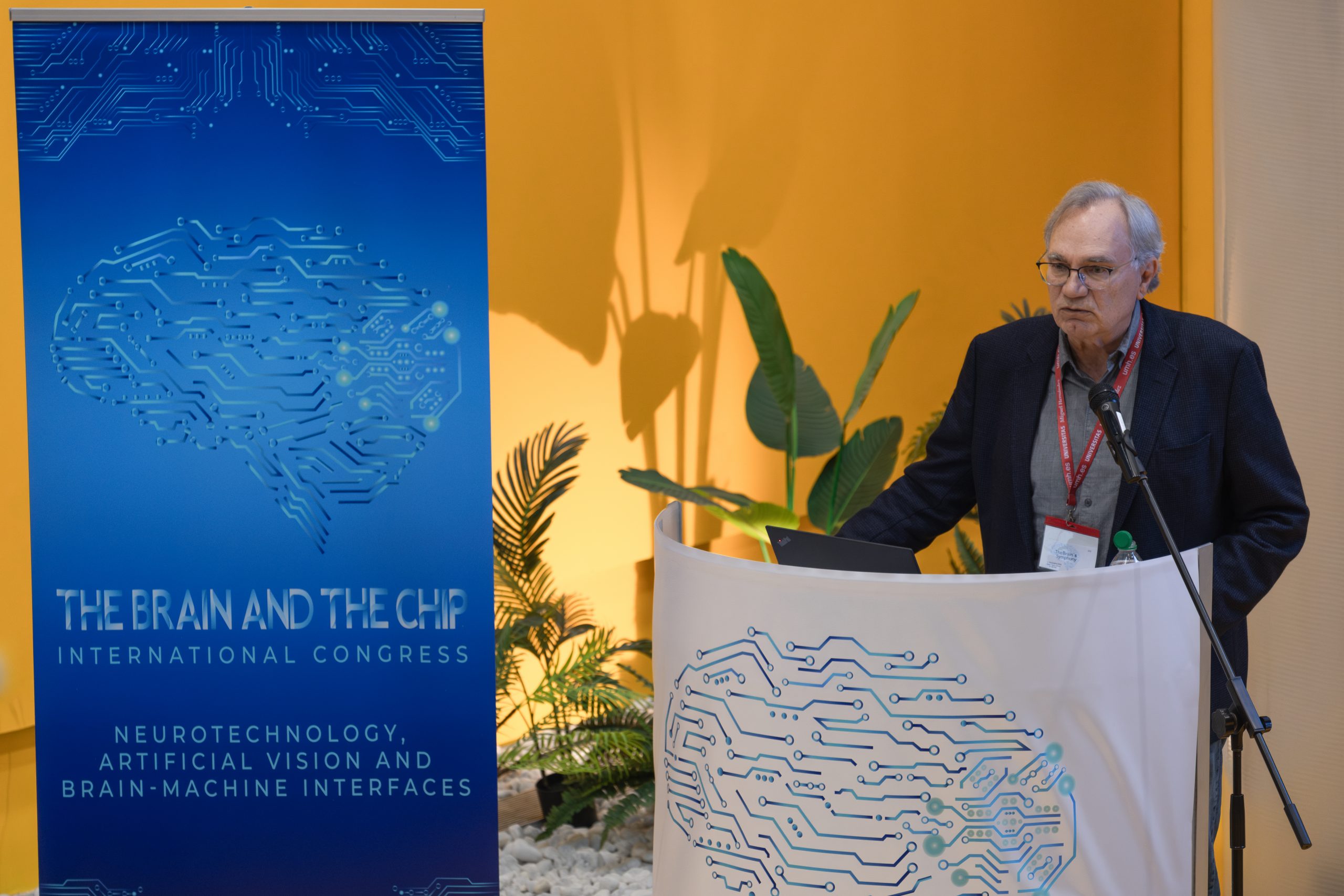
Richard A. Andersen is the James G. Boswell Professor of Neuroscience and Director of the Chen Brain-Machine Interface Center at the California Institute of Technology (Caltech). During The Brain and The Chip 2024, he presented his pioneering research on cognitive neuroprosthetics and the neural mechanisms underlying intention, decision-making, and movement planning.
His talk explored how activity in the posterior parietal cortex and motor cortex can be decoded to develop next-generation brain-machine interfaces. His work has contributed to the development of neural prosthetic systems that allow users to control computers, robotic devices, and other assistive technologies directly through brain activity

The Brain and The Chip 2024: An international meeting for neuroscience and technology
lpuigFrom November 11th to 13th, 2024, the city of Elche became an international hub for neuroscience and emerging technologies during the second edition of The Brain and The Chip Conference. Hosted at Miguel Hernández University (UMH), the event brought together...
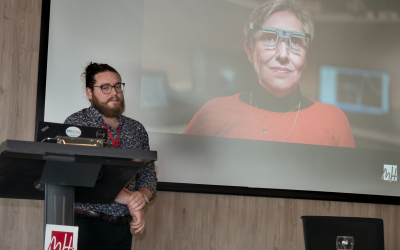
Second Edition of “The Brain and the Chip”
lpuigMiguel Hernández University (UMH) of Elche will host the Second Edition of the International Congress “The Brain and the Chip” on November 11–13, 2024. First held in December 2022, the event brings together renowned experts in fields such as Brain-Computer Interfaces...
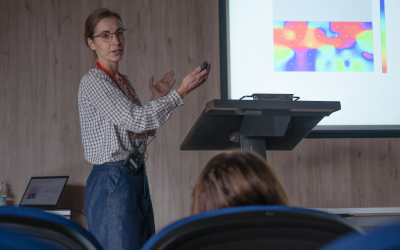
‘The Brain & The Chip’ First International Congress 2022
lpuigOn December 16 and 17, the first International Congress “The Brain & The Chip” was held at the Arenales Building of Miguel Hernández University (UMH), bringing together leading researchers in the field of neuroengineering from around the world. The congress...
Universities, hospitals, and neurotechnology companies worldwide that participated in the past editions of The Brain and The Chip:
IMED Hospitales
Columbia University in the city of New York
Neuralink
Netherlands Institute for Neuroscience
Phosphoenix
California Institute of Technology
University of Pittsburgh
Chalmers University of Technology
University of Bonn
KU Leuven
Radboud University
Universidad Católica de Valencia
University of Rome Tor Vergata
French National Centre for Scientific Research
Georg-August-University Göttingen
University of Pennsylvania
Illinois Institute of Technology
University of Texas at Arlington
Institute of Neuroscience of Alicante
ReVision Implant
Jerusalem College of Technology
Newcastle University
Hospital Universitario Fundación Jiménez Díaz
University of Zürich
University of Washington
Swiss Federal Institute of Technology (ETH)
Charles University of Prague
UC Santa Barbara, California
University of Leeds